


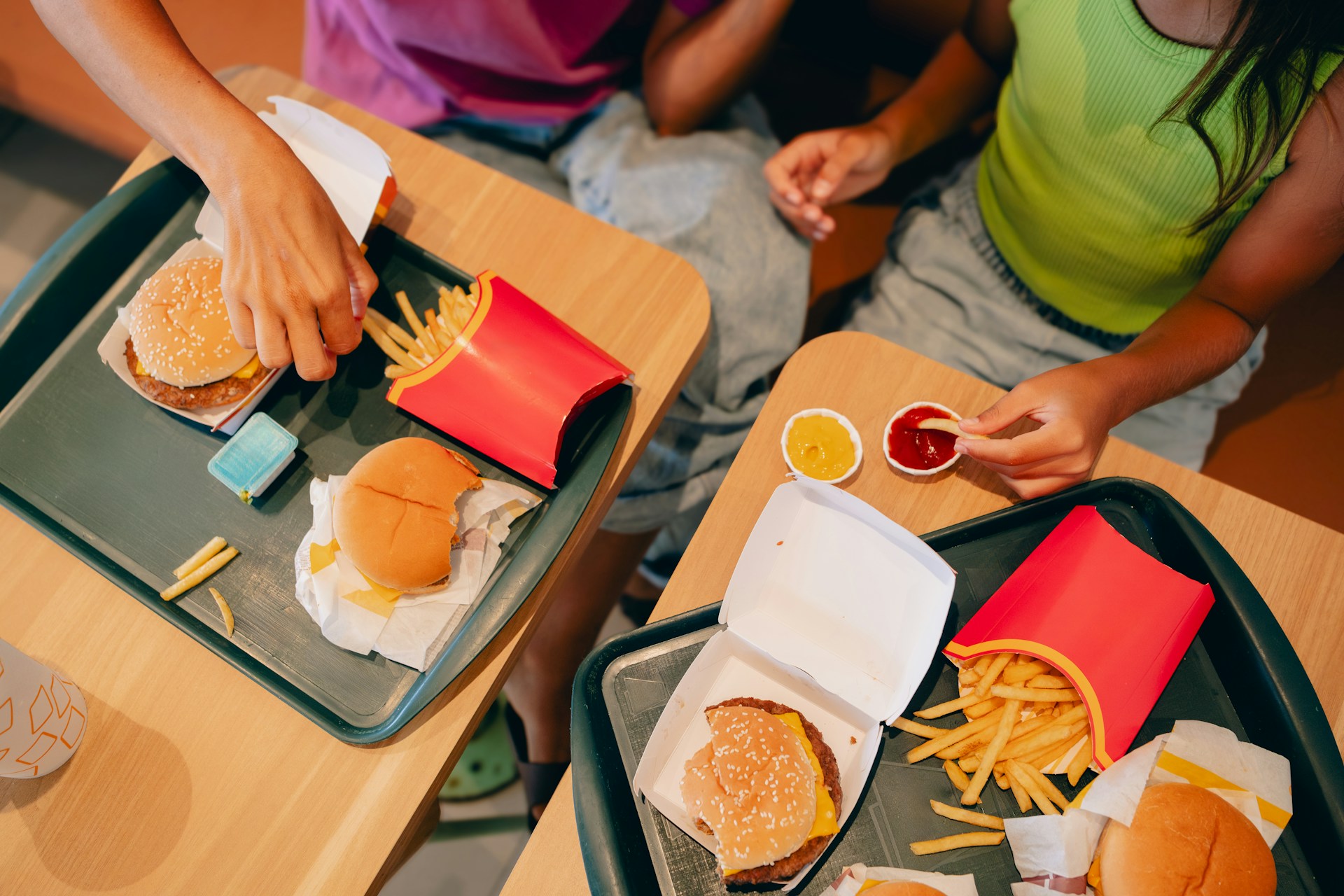
Walk down any busy street in a bustling city or suburban shopping district, and you will likely encounter the familiar glow of a drive-thru menu board, the rhythmic hum of a kitchen working at rapid speed, and the signature scent of food that can be in your hands within minutes. This is the world of Quick Service Restaurants, or QSRs, a sector of the food service industry that has become synonymous with efficiency, consistency, and scalability.
While many people know the names of the biggest QSR players, fewer understand exactly what defines a QSR, how it differs from a traditional restaurant, and why these businesses have become cornerstones in the franchising world. For aspiring franchisees, understanding the mechanics of QSRs is not just useful; it is essential.
What Exactly is a Quick Service Restaurant?
At its core, a Quick Service Restaurant is designed to provide fast, affordable meals without the extended service time of a traditional sit-down restaurant. QSRs are characterized by their streamlined menus, standardized preparation processes, and focus on speed. Customers typically place their orders at a counter or drive-thru, pay before receiving their food, and either take it to go or eat it on-site in a casual setting.
In the franchise space, this format is particularly attractive because it relies on systems and processes that are highly replicable across multiple locations. This consistency is crucial for brand recognition; whether you visit a store in New York or Nevada, the taste, presentation, and customer experience remain nearly identical.
The QSR vs. Traditional Restaurant Divide
The differences between QSRs and traditional restaurants go far beyond the pace of service. They extend into operational structures, staffing requirements, real estate needs, and even the emotional connection customers have with the brand.
1. Service Model
In a traditional restaurant, the experience is built around table service, with servers taking orders, delivering food, and processing payment after the meal. This model offers a slower, more immersive dining experience. QSRs, in contrast, use an app, counter-service or drive-thru system where speed is the priority. Orders are prepared quickly, and customers have minimal wait times.
2. Menu and Food Preparation
Traditional restaurants often have expansive menus, with dishes made to order. QSRs tend to streamline their offerings to a core selection of items that can be prepared rapidly and in large quantities. Ingredients are often prepped ahead of time, and cooking equipment is optimized for speed.
3. Labor and Training
Because QSR operations are highly standardized, training new employees can be faster compared to the specialized skills sometimes required in a traditional restaurant kitchen. This scalability is a significant draw for franchise owners who need to train and manage teams efficiently.
4. Cost Structure
The cost to open and operate a QSR can vary, but it is generally lower than a full-service restaurant due to smaller footprints, reduced staffing needs, and faster table turnover. However, high-traffic locations can command significant real estate costs.
5. Customer Expectations
Customers go to a QSR expecting speed, consistency, and affordability. They are not looking for a drawn-out dining experience; instead, they value convenience. Traditional restaurants cater to customers seeking an experience, atmosphere, and more personalized service.
The Appeal of QSRs in the Franchise Industry
The QSR model has long been a favorite in the franchising world, and for good reason. It offers a proven blueprint that can be duplicated across markets while maintaining brand consistency. Franchisees benefit from:
- Established Brand Recognition: Many QSR franchises are household names, meaning new locations open with an existing customer base.
- Operational Support: Franchisors provide training, marketing, and supply chain systems to maintain quality and efficiency.
- Scalable Processes: Standardized menus and preparation methods make it easier to replicate success in multiple locations.
- Broad Market Reach: QSRs cater to a wide demographic, from busy parents to office workers to students on the go.
Technology’s Role in Modern QSR Success
In recent years, QSRs have embraced technology not just as a convenience, but as a driver of growth. From self-service kiosks and app-based ordering to AI-powered drive-thru systems, the sector is rapidly innovating to meet customer demands for speed and personalization.
For franchise owners, these technologies offer the potential to reduce labor costs, increase order accuracy, and provide valuable data on customer preferences. Mobile ordering, loyalty apps, and contactless payment options have also expanded revenue streams, allowing QSRs to reach customers outside the traditional four walls of the restaurant.
The Real Estate Factor
One often overlooked aspect of QSR success in franchising is location strategy. QSRs thrive in high-traffic areas; think near office complexes, schools, highways, or busy shopping centers. Unlike fine dining establishments, which may rely on ambiance and exclusivity, QSRs are about accessibility.
Many franchisors assist their franchisees in site selection, using market research and demographic data to identify optimal locations. Drive-thru capabilities are especially prized, as they significantly boost transaction speed and daily revenue potential.
Challenges in the QSR Franchise Space
While QSRs offer many advantages for franchisees, they are not without challenges. Competition is intense, with both global brands (McDonald’s, Domino’s, and KFC) and regional players vying for market share. Labor shortages can strain operations, and supply chain disruptions can impact menu consistency and pricing.
Additionally, consumer preferences are evolving. Health-conscious diners are seeking fresh, customizable, and transparent menu options. This has pushed QSR brands to innovate beyond traditional fried fare and sugary drinks, incorporating plant-based options, sustainable packaging, and fresher ingredients.
The Future of QSR Franchising
The QSR sector is poised for continued growth, but it will require agility from both franchisors and franchisees. Brands that can balance speed with quality, embrace technology, and adapt to changing consumer demands will have an edge.
Industry analysts predict that QSRs will continue expanding into nontraditional locations, such as airports, gas stations, and even hospitals, as franchisors look to diversify revenue streams. Ghost kitchens, which are facilities designed exclusively for delivery and takeout, are also gaining traction in the QSR space.
For prospective franchisees, the takeaway is clear: while the QSR model offers a time-tested formula for success, winning in this space requires more than following the playbook; it demands ongoing innovation and an ability to anticipate the next shift in consumer behavior.
Key Takeaways for Aspiring QSR Franchise Owners
- Understand the Model: QSRs are built for speed, consistency, and scalability.
- Leverage the Brand: Choose a franchise with strong recognition and support systems.
- Prioritize Location: High-traffic areas and drive-thru capabilities are essential.
- Embrace Technology: Invest in tools that improve efficiency and customer experience.
- Adapt to Trends: Health-conscious menus and sustainable practices are increasingly important.
Quick Service Restaurants have transformed from roadside burger stands into highly sophisticated, tech-enabled franchise systems. They are not just selling food; they are selling convenience, consistency, and a brand experience that customers know and trust. For franchise investors, that makes the QSR model not just a business opportunity, but a pathway to building something enduring in the ever-evolving world of food service.
