


Francis Pierrel spent 25 years building physical retail for fashion brands like Diesel, Lacoste and Ralph Lauren before turning his attention to a different kind of brand expression: the branded product itself, as CEO of LR Paris. He refers to himself as a merchant, with emphasis on the capital M, someone who exists to connect brands with the people who buy them. Not the marketing plan, not the store design, but the object a customer actually walks away holding: a candle, an umbrella, a hotel amenity that ends up on a nightstand long after checkout.
In a recent conversation with Franchise Brief, Pierrel walked through that case, from his years inside fashion’s biggest houses to the strategy LR Paris now brings to hotel brands and, increasingly, to franchise systems well outside hospitality. His argument builds slowly, then lands with force: a franchise brand can control its rooms, its service and its signage down to the smallest detail, yet still overlook the one item a guest actually carries out the door, letting it become just another easily forgettable, trash-bound afterthought. LR Paris exists to close that gap.
A Merchant’s Education Across Three Continents
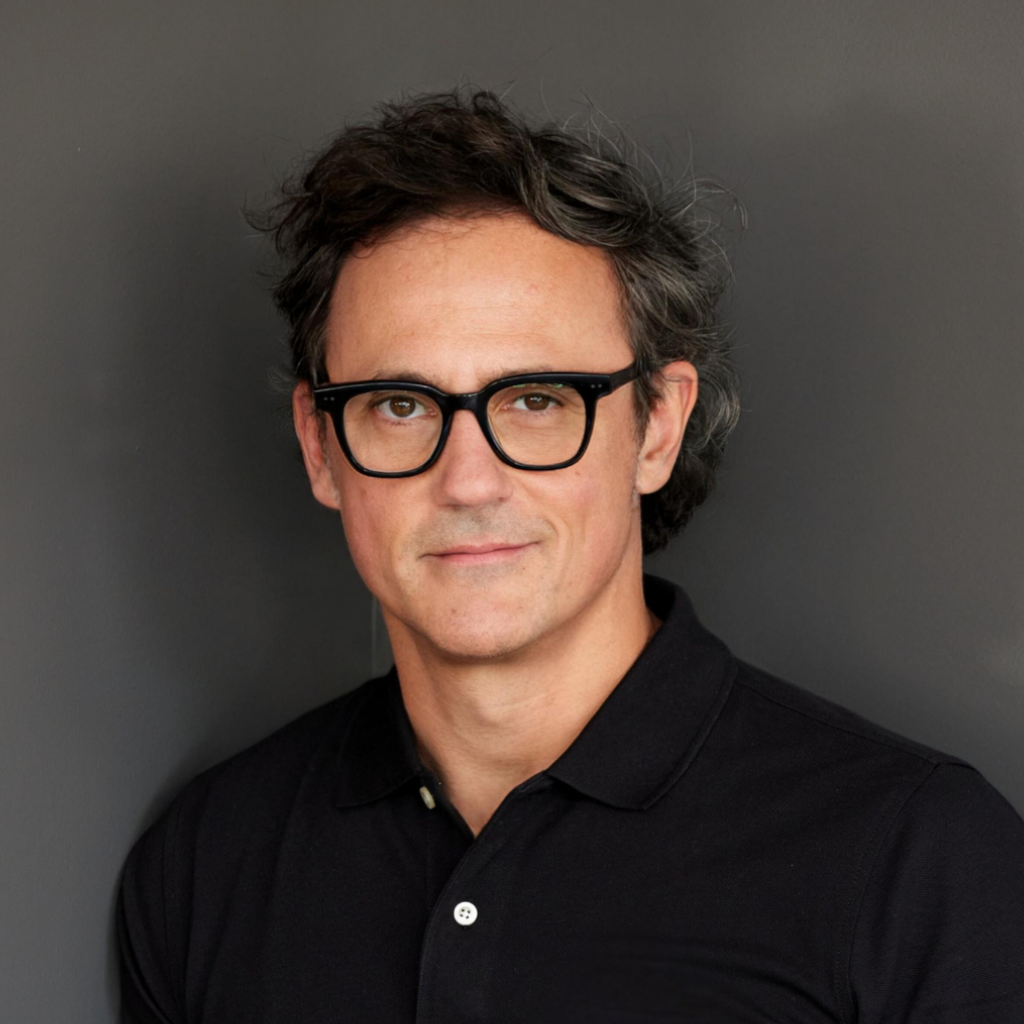
Pierrel describes himself first as a global citizen, someone who built a career across three continents. His path into branded product began somewhere else entirely, in fashion retail, where he helped grow Diesel’s footprint during a period of worldwide expansion, worked with Lacoste as the brand shifted away from wholesale and into direct retail, and later spent time at Ralph Lauren as it worked to reach a new generation of shoppers without losing what made it recognizable in the first place.
What stayed with him from that run was not a specific campaign or store format. It was a belief about sequencing. “It’s desirability first, the revenue after,” he said, describing the mindset that shaped his approach to brand building long before he arrived at LR Paris. Revenue, in his telling, follows genuine desirability. Companies that chase revenue before building real desire, in his view, usually end up with a product that feels forced rather than wanted.
Lessons From the Legends
That belief did not form in a vacuum. Pierrel spent years working directly alongside the people who built the brands he was helping grow, and those relationships left a mark that shows up in how he talks about the business today.
“I have so many moments that started with, my grandfather used to say, and the grandfather is actually Mr. Lacoste,” he said, describing the kind of intimate, formative conversations he had with brand founders and family successors across his career. Those conversations, he said, shape a person. When Pierrel eventually left fashion for a product agency built around branded goods and corporate gifting, he brought that education with him: an instinct for what makes a brand’s DNA translate into something a customer wants to hold onto.
The Gap Between Brand and Product
LR Paris exists inside a specific and, according to Pierrel, frequently overlooked gap. Service businesses, hotels, financial firms, and other large institutions know how to express their brand on a building facade or a website. They rarely know how to express it on a physical product, and their brand guidelines usually stop short of explaining how a logo should sit on a mug or a tote bag. Meanwhile, fashion and consumer brands know how to manufacture their own core categories but often lack the expertise to step into unfamiliar product territory, like developing a scent or engineering a candle that survives shipping and shelf life.
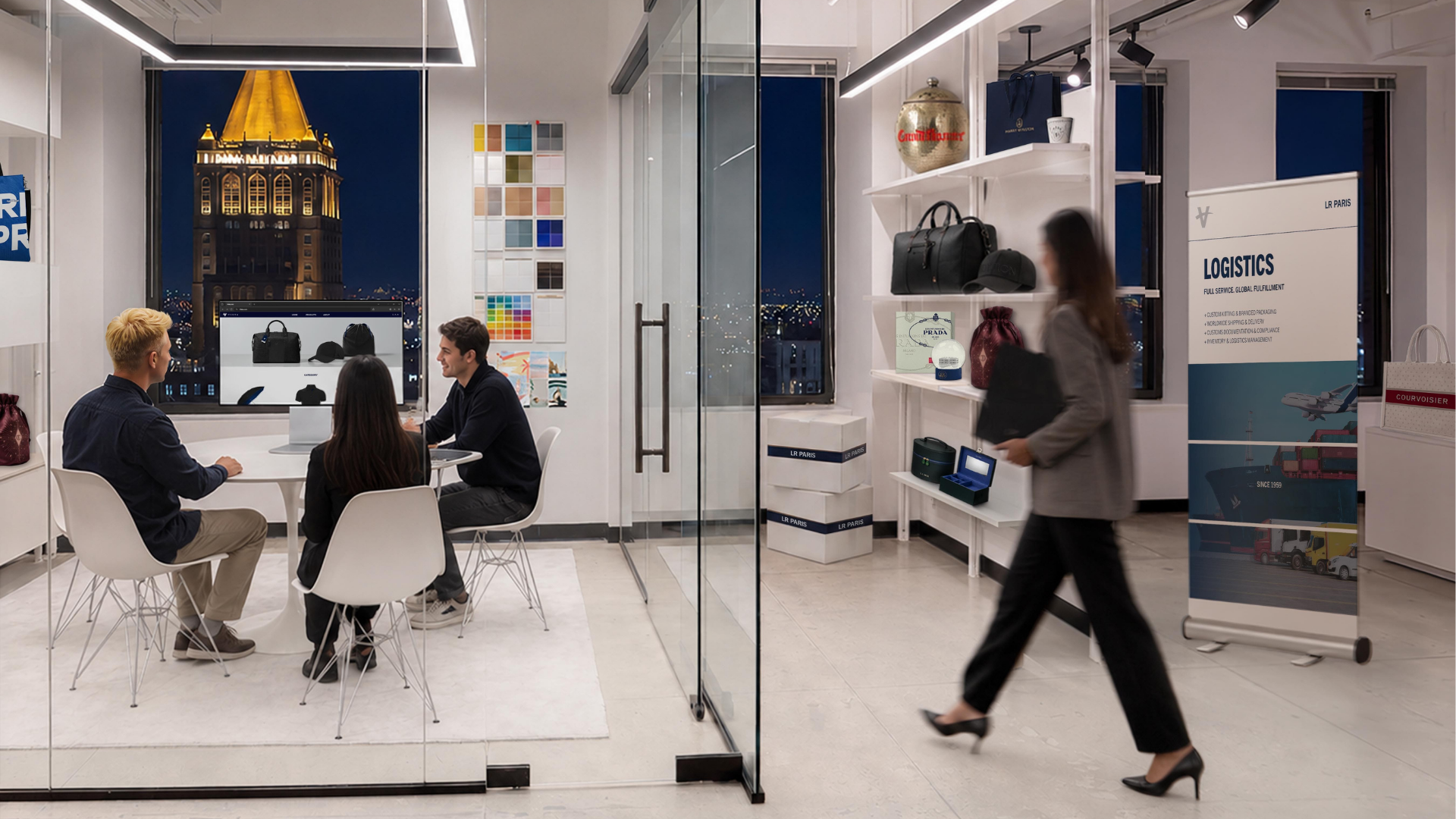
LR Paris sits deliberately in the middle of that divide. The agency conceptualizes, designs, and manufactures branded products, packaging, and event activations, then handles the sourcing, fulfillment, and logistics that turn a concept into inventory sitting in a hotel gift shop or a corporate lobby. Pierrel describes the alternative most companies default to: a creative agency that can conceptualize but cannot produce, or a manufacturer that can produce but brings no strategic point of view. Operating out of offices in New York, Paris, and Bangkok, LR Paris positions itself as both at once, which Pierrel argues removes a costly middle step for clients who would otherwise pay two vendors to do one job.
That positioning has carried the agency into hospitality names like Marriott Bonvoy, The Ritz-Carlton, St. Regis, Waldorf Astoria, and Canopy Hilton, alongside clients across beauty, finance, and higher education. Still, Pierrel is candid that most branded product decisions land in the wrong hands by default. “The branded product is forgotten by the CMOs,” he said, describing how responsibility often falls instead to an HR team assembling a new-hire welcome kit or an intern pulling together swag for an event, neither trained to treat a product as a marketing asset. “This product tends to end into trash,” he added.
Why the Hotel Gift Shop Deserves a Second Look
Hospitality is where LR Paris’s thinking is easiest to see in action, largely because hotels sit on both sides of the branded product equation at once. A guest might receive something for free, a robe, a welcome amenity, a diffuser in the room, and separately have the option to buy something on the way out. Pierrel treats those two categories as fundamentally different problems that happen to live on the same shelf.
Items a guest encounters without paying for them, whether an in-room amenity or a take-home gift for a loyal guest, demand consistency above all else. A hotel amenity has to look and feel identical whether a guest checks in this month or next year, and it has to hold up to a tight budget across every property in a portfolio. “It needs to be replenishable and it needs to be extremely cost efficient,” Pierrel said, describing the operational discipline behind something as simple as a dust bag for an in-room hair dryer. Retail works differently. A guest paying with their own money is choosing to bring a piece of the stay home, which changes the psychology entirely.
From Amenity to Ambassador
That difference matters more than it might first appear, and Pierrel has watched it play out across hotel chains large enough to study the pattern directly. A purchased item gets displayed, worn or gifted, turning the guest into something closer to a spokesperson for the brand.
“When somebody is paying with their own money for a product with your hotel’s name on it, oh my God, you have a very loyal client. You have the best ambassador,” Pierrel said. That guest becomes willing, even eager, to advertise the stay to friends and family, all while the hotel never spends another marketing dollar on the message. The goal, Pierrel said, is making sure “you want your brand and the product that you are giving to end up on somebody’s desk, on somebody’s coffee table, on somebody’s backpack,” rather than in a drawer.
Co-branding adds another layer to that strategy. LR Paris will sometimes pair a hotel brand with an outside partner brand to create a product that only exists because the two names appear together, giving guests a reason to buy that a single-brand item could not offer on its own.
The Umbrella That Advertises the Brand
Few examples make Pierrel’s point as tangible as the umbrella. “In New York, it rains every third day,” he said, and hotels across the price spectrum feel that reality the same way. Budget-conscious properties tend to sell umbrellas to guests; higher-end hotels tend to give them away. Either way, the item becomes something closer to a mobile billboard than a convenience, moving through streets crowded with tourists and commuters for hours at a time.
Pierrel puts a rough number on that exposure. By his estimate, a single open umbrella can generate up to around 3,000 impressions in a single day on the streets of New York City alone, seen by pedestrians, drivers and passersby who never set foot inside the hotel. That math is part of why LR Paris treats an umbrella less like a courtesy item and more like a standing advertising placement, one that happens to also keep a guest dry.
Behind that billboard sits real logistics work, and that is where LR Paris earns its keep. Hotels rarely have the storage space to stock hundreds of umbrellas at once, so LR Paris holds inventory in its own warehouse network and replenishes properties on a schedule that matches how hotels actually budget, typically month to month. A New York property can restock from the agency’s U.S. warehouse while a European or Asian sister hotel pulls from regional stock, all without a general manager needing to think about supply chain. It is a small example, but it captures the larger pitch: branded product delivered consistently and reliably enough that no one on property has to think about where the next umbrella, candle or dust bag is coming from.
Designed for Franchise Economics
Franchise systems bring a specific tension to branded product decisions, one Pierrel has spent years learning to navigate from the middle. “On one side they own the brand, the other side they own the purse,” he said, describing the basic dynamic between a franchisor setting brand standards and a franchisee paying for them out of a local budget. LR Paris positions itself as the connective layer between those two realities, working with brands to design programs that satisfy corporate standards while still fitting a franchisee’s storage capacity, budget cycle and contractual obligations.
That flexibility scales in both directions. A single-unit franchisee gets access to a program built for a much larger buying group, while a flagship location with outsized influence and purchasing power can occasionally justify something closer to a bespoke collection. In those cases, LR Paris will build a custom product run sized to that single location’s budget, while keeping every design decision inside the parent brand’s guidelines.
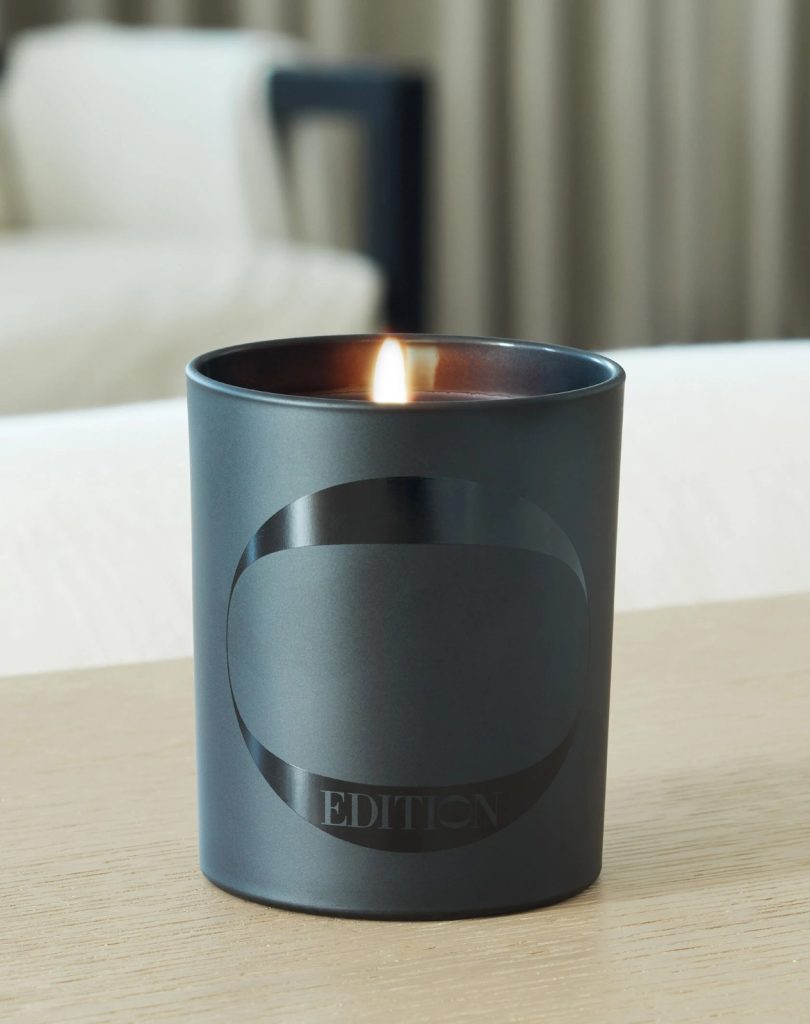
Image Courtesy of LR Paris
That same brand-consistency challenge shows up outside the franchise model too, in LR Paris’s work with EDITION Hotels. EDITION is a Marriott luxury lifestyle brand operated under management agreements rather than franchise agreements, but the underlying problem, keeping a product identity consistent across many individually run properties, is the same one franchisors face. According to the agency’s own published case study, the brief called for a signature scent that could unify EDITION’s design-forward properties worldwide under one identity, without sacrificing the practical realities of manufacturing and shipping wax across borders. LR Paris built a candle and diffuser line in a sleek black-on-black finish, engineered the scent to hold up consistently across every location, and elevated the packaging and finish to the point that the pieces became retail-worthy on their own, not just something to give away.
Beyond the Hotel Lobby
Pierrel is quick to point out that the logic behind hotel branded product travels well outside hospitality, and franchising specifically, in his view, is fertile ground for it. Real estate is one example already in motion. LR Paris works with real estate groups, some organized as franchises, to rethink the small physical touches around a transaction: a closing gift, signage for an open house, or a way to mark which door belongs to which showing inside a crowded apartment building. “The do not disturb sign is a classic, right?” Pierrel said, using the hotel staple as a jumping-off point for a similar concept built for real estate showings, where a personalized sign can solve the same problem a hotel solved decades ago.
Retail franchises present a different opportunity, largely around localization. A single product, Pierrel explained, using a mug as his example, can be produced at scale while still carrying a design specific to each location’s city or street, giving every franchisee a reason to feel the assortment was built for their market specifically rather than shipped down from corporate. Automotive rounds out the list of categories where LR Paris sees consistent demand. Car dealerships typically operate under dealer agreements rather than the traditional business-format franchise model most Franchise Brief readers know, but the two share a common thread: representing a manufacturer’s brand consistently across many independently run locations, which is why Pierrel sees it as a natural fit.
What Franchise Executives Should Ask Themselves
Pierrel’s closing argument is less a pitch than a question he thinks every franchise executive should already be asking internally. “Is it part of your marketing mix?” he said, describing the test he would put to any CMO evaluating where branded product sits on their priority list. If the answer is no, or if the responsibility has quietly landed with a department never trained to treat a product as a brand asset, he sees an opening worth addressing before the next order of giveaways goes out the door.
Bespoke work, in Pierrel’s experience, does not have to mean a bigger budget than an off-the-shelf catalog order. It typically means more time on the front end, enough for an agency to understand a brand deeply before proposing a product built specifically for it. Franchise systems already balance consistency across dozens or hundreds of locations with the local flexibility franchisees need. LR Paris is betting franchise brands are ready to accept one more trade-off in that mix: a little more time upfront, in exchange for a product built to be kept rather than discarded.
