


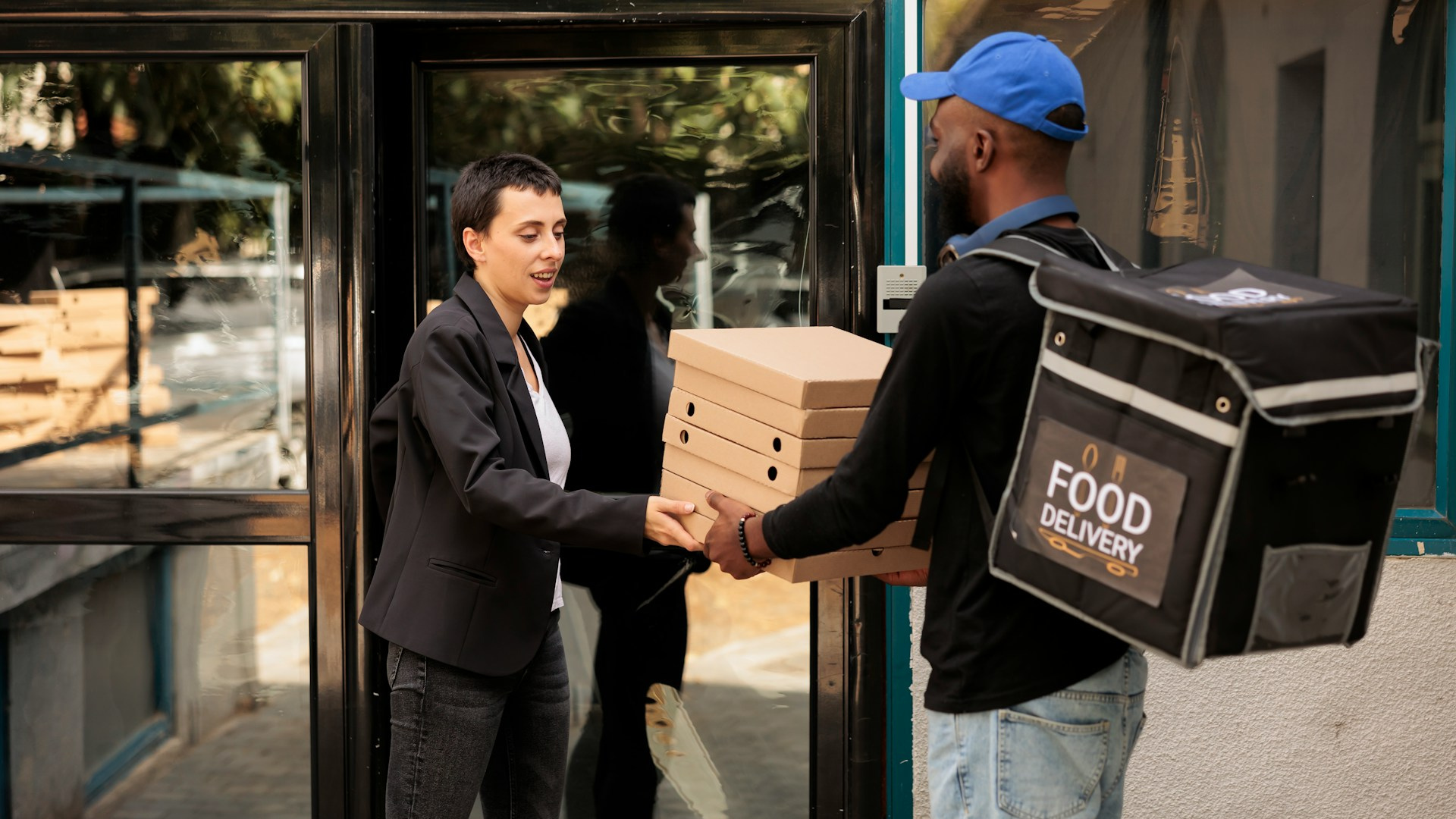
The “last mile”, that critical final step of getting goods into the hands of consumers has become one of the most contested battlegrounds in modern commerce. Once viewed simply as a logistics challenge for parcel carriers, it now represents the make-or-break stage of customer satisfaction.
So, what is last mile logistics? In its simplest terms, it is the journey of a product from a distribution hub, store, or restaurant to the end consumer. While the distance may be short, the cost, complexity, and customer expectations tied to this step are significant. Delays, missed deliveries, or lack of transparency can sour the entire shopping or dining experience, no matter how smooth the process was beforehand.
A new report from Verified Market Reports underscores the size of this shift. According to its findings, the global last mile in e-commerce delivery market was valued at USD 103.92 billion in 2024 and is expected to nearly double to USD 201.54 billion by 2033, growing at a compound annual growth rate of 7.84 percent. This surge reflects a consumer culture where speed, reliability, and convenience are not perks; they are essential parts of the brand promise.
The Last Mile and Retail Franchising
Retail franchising has traditionally depended on a physical presence; stores acted as the primary point of sale and fulfillment. Today, however, the last mile is blurring the lines between brick-and-mortar and digital. Retail franchises across multiple sectors are experimenting with micro-fulfillment centers, ship-from-store models, and even dark stores to meet demand for same-day or next-day delivery.
Verified Market Reports identifies urbanization and digital commerce normalization as two of the strongest long-term drivers. With nearly 70 percent of the global population projected to live in cities by 2050, dense metropolitan areas represent fertile ground for rapid last-mile solutions. For franchise retailers, locations can serve double duty as sales points and local delivery hubs, giving them a sharper edge in competing with big-box and online-only players.
Amazon’s push into easy return options illustrates the growing role of last mile in retail strategy. While Staples, on of Amazon’s chosen partner for many of its return stations is not a franchise, the concept of return drop-off hubs is spreading quickly. Franchise-based logistics brands such as The UPS Store (owned by UPS but operated through franchising) have become critical return and shipping points. These stores allow retailers to outsource the complexity of reverse logistics while giving franchisees steady customer traffic.
Food Franchises and the Pressure of Speed
Few sectors feel the intensity of last-mile delivery as acutely as quick-service restaurants (QSRs) and food-related franchises. Consumer demand for near-instant gratification has fueled partnerships with third-party platforms like Uber Eats, Grub Hub and DoorDash. Both companies represent significant players in the last-mile ecosystem, bridging the gap between franchise restaurants and customers who expect meals at their door within 30 minutes.
For franchisees, these platforms offer reach and convenience but also raise questions about margin pressures and brand control. Many QSR systems such as Domino’s, have tested hybrid strategies, leveraging both third-party apps and their own branded delivery channels. This dual approach ensures broader reach while keeping some ownership of the customer experience.
The Verified Market Reports analysis also notes that electrification is emerging as both an environmental and service advantage. Two- and three-wheel electric vehicles, common in Asia and expanding in the U.S. and Europe, allow food franchises to serve dense urban markets more quickly and sustainably. A pizza franchise in New York City using e-bikes, for example, not only reduces delivery times in traffic but also aligns with municipal goals around emissions reduction.
The Franchise Advantage in the Last Mile
Franchise systems may be uniquely positioned to thrive in this changing landscape. Unlike corporate-owned chains or independents, franchises combine local presence with national scale. A franchisee can serve as a community-based micro-fulfillment node, while the brand negotiates national partnerships with carriers, delivery apps, and technology providers.
The UPS Store, with more than 5,000 independently owned and operated locations across North America, has become a cornerstone of last mile and reverse logistics for both consumers and businesses. Its role in handling shipments, returns, and package drop-offs illustrates how franchise systems can plug directly into the e-commerce supply chain.
Quick-service restaurant franchises benefit in a different way. Domino’s, for example, pioneered a delivery-first model long before third-party apps emerged and continues to invest in its own fleets, GPS tracking, and AI-driven delivery windows to raise efficiency. This focus on operational control helps QSR franchises meet the growing demand for speed and reliability in food delivery.
Pickup-drop-off ecosystems are also creating new opportunities. Retail franchises with strong footprints in malls or strip centers are experimenting with parcel lockers, giving customers convenient options while increasing in-store traffic. This innovation aligns with Verified Market Reports’ observation that locker-first strategies can cut delivery costs by up to 30 percent while reducing failed deliveries.
What’s Next for Franchise Brands
Despite the momentum, last mile logistics remains fraught with challenges. Suburban and rural areas often lack the order density needed to make delivery efficient, while congestion pricing and low-emission zones in urban cores raise costs and complexity. Returns, a topic within itself also remain a sticking point.
The future of last mile is being shaped by innovation and experimentation. Verified Market Reports highlights advances such as autonomous delivery pilots, computer-vision proof-of-delivery, and AI-powered emissions tracking as trends that will define the next decade. Along with tried and true methods such as batching orders, adopting clustering for efficient routing, and experimenting with off-peak delivery pricing.
For franchise leaders, the challenge lies in balancing short-term investments with long-term payoffs. Micro-fulfillment centers, electrified fleets, real-time delivery tracking, and partnerships with third-party platforms like DoorDash or Uber Eats will all play a role. Those who can align customer expectations with unit-level economics will be best positioned to thrive.
Ultimately, the last mile is no longer just the end of the supply chain. It is a defining moment in the customer experience and for franchises in both retail and food, it may be the new frontier of growth.
