


Allow me to begin with an introduction. My name is Blake Martin, and I’m a Certified Franchise Executive with FranNet, one of the largest franchise broker groups in North America. Based in Omaha, I’ve spent the last two decades providing one-on-one coaching and consulting for aspiring entrepreneurs and future small business owners across the Midwest. As a staunch supporter of franchising’s business model, I’ll be the first to tell you that there is much more to this industry than just well-known fast food establishments like McDonald’s and Subway. The truth is that there are an estimated 3,000-4,000 different franchise concepts in the marketplace today – quite literally, something for everyone who has a dream of one day becoming their own boss and taking charge of their own destiny.
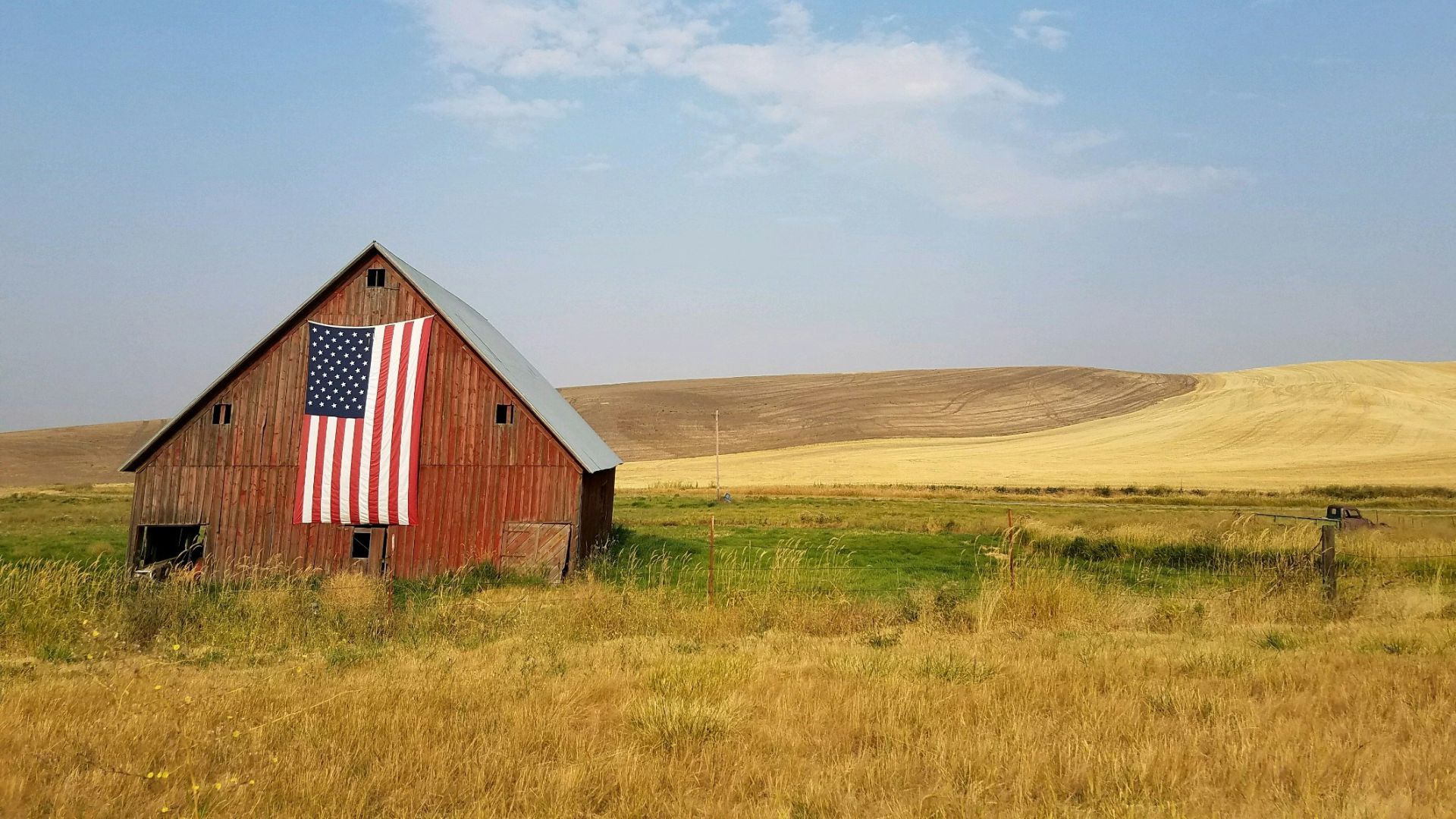
Something you should know about franchise agreements is that most of them provide franchisees with a protected territory to conduct their business, be it selling a product or service. As such, the industry has traditionally focused their ongoing expansion efforts in the demographically dense cores of America’s urban areas. But now, having reached a total number of more than 850,000 franchise establishments in the U.S., much of this real estate is rapidly dwindling, having already been snapped up and spoken for. As a result, sales development teams from an increasing number of franchise brands have slowly begun to shift their attention to the remaining frontier that still offers plenty of promise – Rural America. Present company included.
My Rural Road Show
Earlier this year, I embarked on a self-styled “Rural Road Tour,” a series of economic development forums that I personally hosted to introduce the concept of franchise ownership and present the possibilities of entrepreneurship to audiences in smaller communities throughout Nebraska and Iowa. To say the least, it’s been an eye-opening experience. What follows are some of the more interesting takeaways I learned from the welcoming audiences I encountered, who were highly receptive to the idea of establishing an entrepreneurial life through franchise ownership.
Lessons Learned
Going into this mission, I did not set out with any preconceived notions about my target audience or their viewpoints. I was much more eager to listen than to speak, as I hoped to communicate the value of entrepreneurial pursuits in a way that would appeal to the culture of rugged individualism and accountability that’s so pervasive among the country’s rural populace. The economic development forums I hosted offered me the following takeaways on how my message was received.
- Trust had to be earned. I expected much of the audience to be somewhat skeptical of franchise ownership, and I honestly wanted to know what made them tick. I would describe their reception as cool and cautious at first, yet as time went on and the discussions got deeper, I felt I was slowly but surely gaining their trust as a knowledgeable source on entrepreneurship.
- Strong sense of community. This wasn’t surprising, but I took note of their candor during our discussions on building stronger communities through entrepreneurial growth. The audience was very clear in expressing the type of businesses they’d like to see springing up in their area – as well as the type of businesses they did not want to see. They had a very strong sense of supporting local businesses and local business owners for the greater good of the community – so long as it was the right type of opportunity – which brings me to my next takeaway.
- Desirable organic growth. My rural audiences were open, honest, and direct in expressing their opinion when it came to the type of new businesses they hoped to lure. A lack of event spaces and family entertainment options were often at the top of their list. Why, they asked, should they have to drive several hours to a big city just to take their children to an indoor trampoline park? They also expressed a strong desire for businesses that catered to children’s education and empowerment in their communities.
- Dispelling Myths. Not surprisingly, many people in these rural communities had the exact same misconceptions about franchising as you’ll find anywhere else in the country. Myths such as franchises are just fast food restaurants when in fact there are thousands of concepts many don’t even realize are franchise opportunities. Most franchise establishments are indeed 100% locally owned and operated by neighbors in your community, not some corporate-run store from a conglomerate in another state. And many people mistakenly believe that franchises cost upwards of a million dollars to own. After a lengthy discussion of the franchising model itself and the ongoing support they provide their franchisees, I asked the audience to share what it means to them to be a franchise owner. One attendee stood up to say, “It sounds like you’re in business for yourself but not by yourself.” I immediately asked him if he’d accompany me to my next economic development forum.
The opportunities for growth in rural markets may not outpace what we’ve seen in urban areas. After all, franchise sales are still very much a time-intensive business. Many brands may be reluctant to pursue a rural expansion strategy due to the investment and manpower it will require, and many may not even be a good fit for these communities to begin with. It’s easy to see why some might consider it a shot in the dark.
For franchising to succeed in penetrating rural markets, I believe it will take a firm commitment. Some brands have begun a noticeable push into these smaller markets, doing so with the knowledge that it may take a bit longer to see a return on investment. But for those brands that aren’t willing to overlook our underserved and underdeveloped rural markets, they might just be the ones planting the seeds that reap a whirlwind of a harvest down the road.
I truly believe it’s possible because I’ve seen the potential for myself, up close and personal.
Disclaimer: This Opinion Article reflects the personal views of the author and is intended to share perspective and experience. It does not necessarily reflect the views, positions, or editorial stance of FranchiseBrief.
