

“As we enter 2026, the economics of franchise growth have reached an inflection point where time saved has become the single most critical factor in predicting long-term success,” said Sam Phelps. In a late-January launch from Fort Worth, his team at Franchise Now introduced DreamStart; an AI-guided funding and onboarding program designed to cut waiting time with automation, franchise fee advancement, and shared visibility across franchisors, candidates, brokers, and lenders. “When funding timelines are compressed, the benefits compound.”
DreamStart’s thesis is simple and forceful; time kills deals. Compress the intervals, and everyone benefits. The platform prequalifies early, advances the franchise fee as soon as the agreement is signed, and lets every stakeholder watch progress in a single view. By moving key steps forward, brands can start training earlier, candidates keep momentum, and royalty clocks begin sooner for systems that measure growth in calendar time.
From Blackout to Dashboard: How Transparency Works
In most systems, the handoff to funding can feel like an early Apollo flight; a candidate disappears into a black box and reappears weeks later. During that time, Franchisors may not know where in the process the candidate is. Furthermore, the candidate themselves may not know what’s happening until someone emerges with a … request for more information. Then back into the abyss they go.
DreamStart confronts that gap with a metaphor that landed in our interview: a car-wash glass hallway. To better process my understanding I framed it this way; “you can walk down the hallway, take a peek in the window and see, okay, they’re at this phase.” Phelps’s response was immediate; “I like that.” He expanded on the point and connected that visibility to practical leadership; “you can just look at a dashboard and say, okay, we’re on track.”
Transparency is not limited to the platform’s own checklist. “We’re directly linked into the bank,” Phelps said. “As that candidate moves through the different stages with the bank, it will update our application automatically through our API.” That feed removes guesswork and reduces the phone-tag that often slows files.
DreamStart meets candidates where they already are; on their phones. Once a franchisor enters a few basics, the platform sends a portal invite by email and text. Alerts follow each milestone in real time, including late evening when applicants finally sit down to upload documents. For pipeline-minded leaders, that steady rhythm makes progress visible without chasing it.
The Product Idea: TurboTax Simplicity With a Live Guide
Phelps’s design brief borrows from consumer software; “we really built FranchiseNow, kind of like TurboTax, it asks you a series of simple questions based on your background, your situation, and all of a sudden you have a full package at the end.” The sequencing matters because motion is momentum.
Inside the workflow, an in-app assistant keeps first-timers moving. “We’ve got Frank the FranchiseNow AI Owl, that’ll pop up and he’ll help you if you’ve got questions or you don’t know exactly how to fill out that personal financial statement. According to Phelp’s Frank is tuned to each step; “it’s not going to get off on a tangent and lead you down a different path.” As the next step in the process comes; Frank puts on a different hat to provide further support. The assistant complements, not replaces, people. Phelps points to interactive videos, FAQs, and candidates will always have the option to “exit and talk to a live human” without leaving the path. The idea is a sequenced journey that cuts repetition and confusion so candidates can assemble banker-ready files quickly.
Fee Advancement: Training Sooner, Openings Faster
Here is the operational unlock; DreamStart advances the franchise fee upon an executed agreement. That single move allows franchisors to begin training and onboarding immediately while the loan works toward final approval. Think about the ability to get owners in weeks, and sometimes months, sooner for training, to engage in presales or networking months earlier and continued momentum you retain from moving forward right from signature.

The team has already seen the effect, citing one candidate who “had sales before he closed on his loan. I mean, when does that really ever happen?” The gain is not theoretical; pulling training forward resets expectations for field support and lets brands turn readiness into real openings sooner. Sooner openings could translate into happier franchise owners, royalty streams sooner, and shorter ramp times to break even (pre-opening advantages). There are also secondary benefits that can emerge. For example, improvements to the sales process internally or with 3rd party FSO’s driven by efficiency, peace of mind in decision making, and clarity of the funding process.
The advancement of the franchise fee does not sound like a leap of faith; Phelps describes it as a risk and viability assessment rooted in experience. “Our team’s very good at assessing that risk and viability. We have a track record of success… when we advance that fee, it’s off the races.” In practical terms, compressing the timeline by even a few weeks can salvage deals that would otherwise stall across holidays, seasonal shifts, or local permitting bottlenecks.
Lender Strategy: Surgical Beats Shotgun
DreamStart does not blast deals across a lender list; it routes to proven partners with an emphasis on precision. “It’s, proven banks that know how to execute with precision. It’s not a shotgun blast. Rather, a very calculated, surgical approach.” The point is fit, not theory; DreamStart routes candidates to lenders that offer SBA-backed loans and understand the category, which helps first-time owners secure competitive terms and keeps momentum in the file.
For franchisors and candidates, the result is time saved across the board; fewer redundant asks; a shorter path to clear-to-close; and fewer surprises. For brokers and consultants, faster clarity and earlier compensation let them focus on what they do best; sourcing and coaching viable buyers.
What Brands Actually Get on Day One
DreamStart arrives as a complete playbook rather than a grab bag of tools. Enrolled brands receive a personalized funding profile, scripts and FAQs, and the ability to integrate development workflows into existing CRMs. Candidates see checklists, reminders, real-time updates, and personalized support on a clean dashboard. The program supports SBA-backed loans and ROBS, so funding paths meet buyers where their capital sits.
That structure is as much about discipline as it is about speed. As Phelps put it, the aim is “a world-class experience for that candidate,” plus earlier royalty realization for franchisors and faster referral payments to partners once a fee is advanced at signature. “We’re very transparent… we check our egos at the door. How can we be a value add in helping you procure more deals.”
The North Star
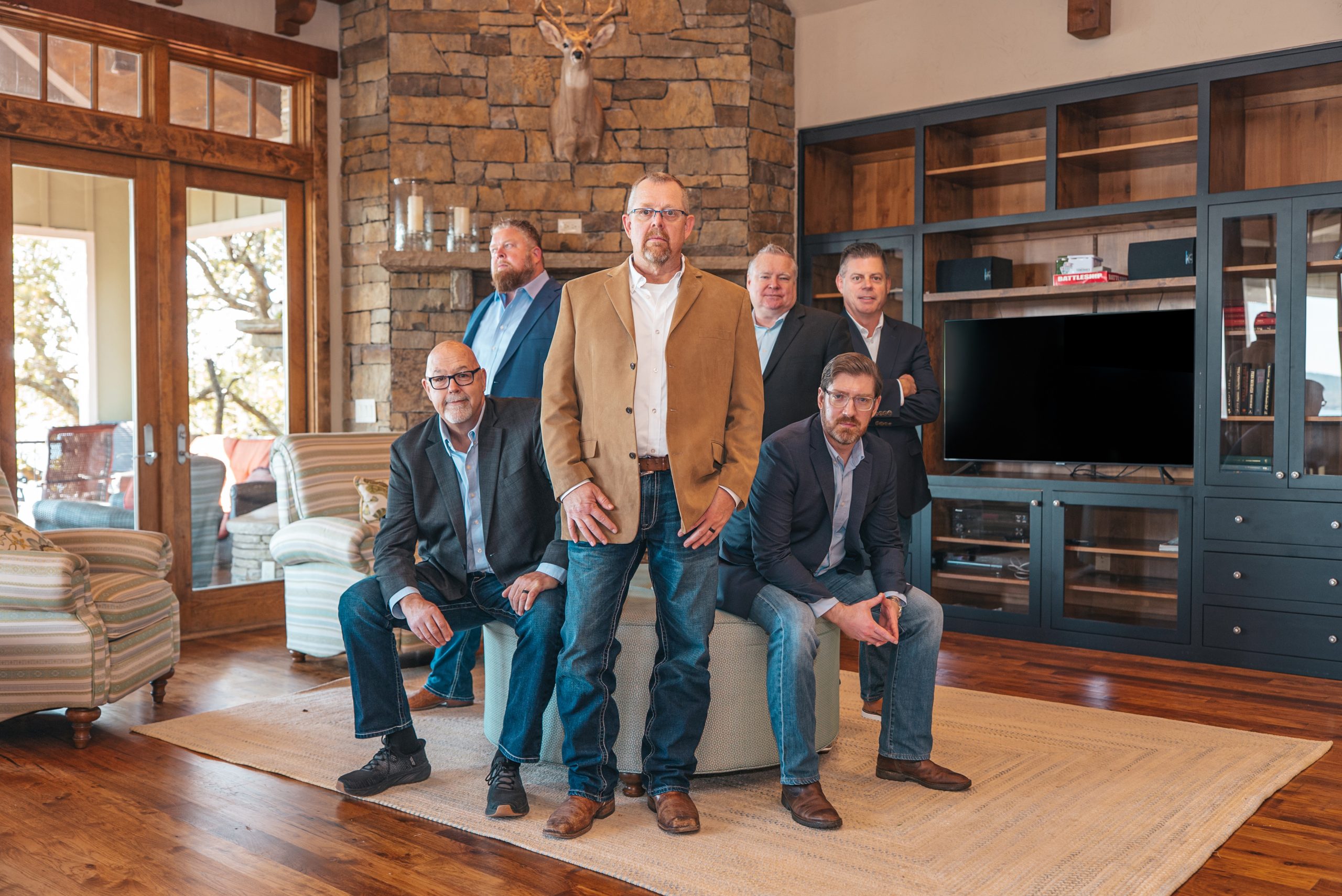
Sam Phelps opened the conversation by talking about his team, not himself; that choice sets the tone for how Franchise Now runs. He credits a cross-functional crew built in scale environments; a CTO seasoned by high-volume application processing at a major healthcare organization and a CFO with deep franchise accounting experience. The mindset is operational rather than performative; take industrial-grade throughput, apply it to a process that has relied on manual nudges, and then measure what actually speeds decisions for real buyers and real brands.
From there, the north star is plain. Phelps sees funding as broken in practice; not beyond repair, but misaligned with modern expectations. The remedy is rhythm and sequence; line up the steps in the right order, make sure everyone sees the same facts at the same time, and keep motion constant. The operating principle is simple; time kills deals, so the platform hunts for time savings that compound across prequalification, documentation, and bank interaction.
A.C.T. turns that ethos into habit. Accountability means weekly check-ins shift from recollection to review; the shared timeline shows what is complete and what is stalled, so gaps are resolved on the call. Control returns to development teams; minimal inputs trigger an automated sequence, and managers oversee by exception rather than chasing routine updates. Transparency ties it together; progress is visible to every stakeholder, including lender-stage changes, so conversations move from “what happened” to “what’s next.”
The Destination
From there, the promise is not a magic trick; it is singles and doubles that add up. Better files, clearer dashboards, earlier starts, fewer surprises. Or, in Phelps’s own shorthand, “time kills deals”, which makes me wonder does transparency, efficiency, and AI Frank breathe life? The platform’s bet is that if everyone can see the factory floor, the work moves faster and the doors open sooner.
The destination is cultural as much as technical. Over a five-year horizon, Phelps wants confidence in the funding process; reliable, shared-view pipelines where promises match outcomes and operators stop tiptoeing around pain points. The vision keeps the people side in frame; think of a viewing corridor and watching each deal move through clear stages, step by step, without phone-tag or guesswork; with the ability to jump in at any time. In that world, the cadence is consistent, interventions are timely, and the path from signed agreement to open doors feels less like a black box and more like a glass hallway.
